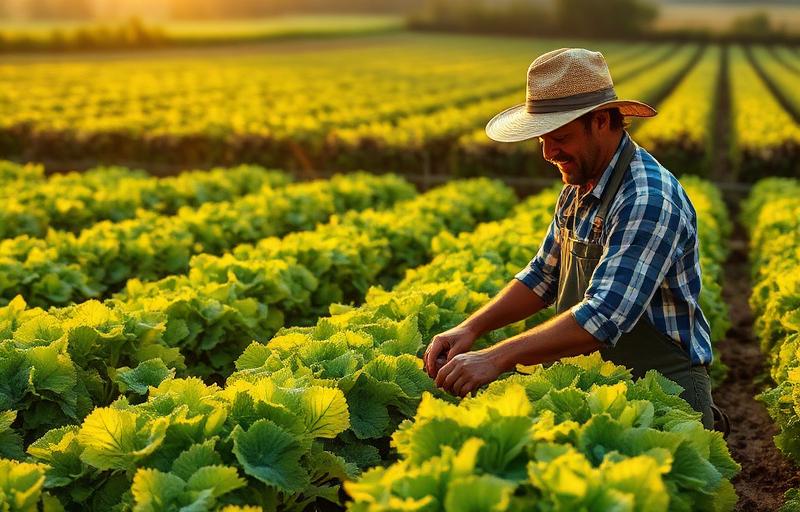
From Soil to Sustainability: The Rise of Regenerative Farming
Regenerative agriculture represents a paradigm shift in how we think about farming. While conventional agriculture often depletes soil health, and even organic farming can be extractive, regenerative practices actively rebuild soil organic matter, increase biodiversity, and improve water cycles.
At Earthxway, our Sustainable Farming program has trained over 2,000 smallholder farmers across India in regenerative techniques including cover cropping, composting, crop rotation, and agroforestry. The results have been remarkable: participating farmers have seen average yield increases of 25-40% within two seasons, while simultaneously reducing their input costs by up to 30%.
The secret lies in soil biology. Healthy soil teems with billions of microorganisms that break down organic matter, fix nitrogen, and make nutrients available to plants. By feeding and protecting this underground ecosystem, regenerative farmers create a virtuous cycle of increasing fertility and productivity.
Beyond the farm gate, regenerative agriculture offers powerful climate benefits. Healthy soils can sequester significant amounts of carbon, potentially offsetting a substantial portion of global greenhouse gas emissions. Our pilot carbon credit program is now allowing farmers to earn additional income from the climate benefits of their improved practices.
The transition to regenerative farming isn't always easy — it requires patience, knowledge, and sometimes a leap of faith. But the farmers we work with consistently tell us that once they see the results, there's no going back.
About Earthxway Foundation
About Earthxway Foundation: a Nagpur-based tree plantation NGO working across India. Learn more at earthxway.org.